

DIY Hacks: Tips And Tricks To Eliminate Mould Naturally
Have you ever noticed black or grey patchy marks on bathroom walls, shower curtains or carpets? They could be mould spores. It is one of the most common household problems, caused by excess moisture, high humidity levels, or poor ventilation. These stains not only look unsightly but can also pose severe health risks, including allergies, respiratory disorders, headaches, and chronic infections.
Neglecting mould and mildew infestation can even lead to structural damage, such as weakened walls, wood decay, loosened tiles, and wall deterioration. In Victoria, tenants are responsible for property damage beyond normal wear and tear. This means you could even lose your bond money when vacating a rental property. Thus, as a responsible homeowner, get rid of mould stains as quickly as possible.
Here is a complete guide to help you remove mould spores from different surfaces using all natural cleaning products. Make sure you control indoor humidity levels, ensure proper ventilation and prioritise regular upkeep.
Let’s Get Started!
Hide
Show
- What Does Mould Mean?
- What Causes Mould Growth in a Home?
- Get Rid of Mould With White Vinegar
- Baking Soda: A Natural Mould Remover
- Bid Farewell to Mould using Tea Tree Oil
- Hydrogen Peroxide: Combat Mould like a Pro
- How to Prevent Mould Infestation?
- Infographic For Natural Products To Remove Mould Stains
- Wrapping Up
1. What Does Mould Mean?
Mould is a common type of fungus that loves to grow in moist, dark, and damp areas. It spreads by releasing microscopic spores into the air, leaving behind nasty stains. Mould usually grows on damp shower curtains, ceilings and walls, dirty carpets, tiles and grout lines, under kitchen sinks, in basements, etc. They thrive on dust, paper, timber, fabrics and soap scum. Different types of mould are listed below:
- Stachybotrys: These are thick, dark black in colour, grow in patches, and may trigger respiratory disorders.
- Aspergillus: Usually green, yellow and black, it often appears on walls and food.
- Alternaria: Looks dark green or brown that commonly found in bathrooms and on damp surfaces.
- Fusarium: It is pink or white in colour and loves to grow on water damaged surfaces like leaking taps, pipes, etc.
- Penicillium: The mould stains look blue or green in colour and often grow on painted surfaces and fabrics.
If you are worried about your hard earned bond money, book experts for a top quality end of lease cleaning Melbourne. Professionals follow a pre approved checklist to cover nooks and crannies, including ceiling fans.
2. What Causes Mould Growth in a Home?
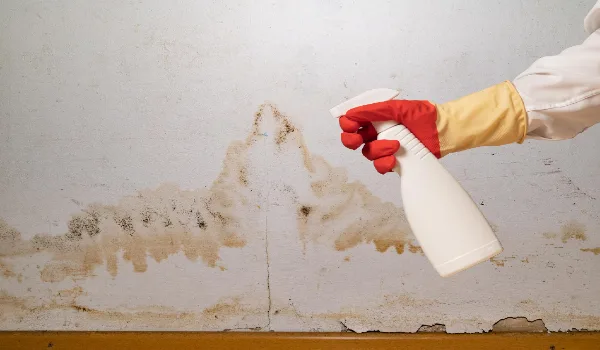
High humidity and poor ventilation are the main culprits in mould infestations. It likes dark and damp areas with high moisture buildup. That’s one of the reasons why mould spores are often on bathroom surfaces, kitchen walls, basements, storage areas, and damp carpets.
Apart from bathroom condensation, mould can also grow due to leaking pipes and consistent plumbing issues. Keeping doors closed, keeping air vents dirty, and inefficient exhaust fans can also cause mould stains. Make sure you inspect every nook and cranny to prevent nasty spores and lingering odours, ensuring a healthy and hygienic home environment.
3. Get Rid of Mould With White Vinegar
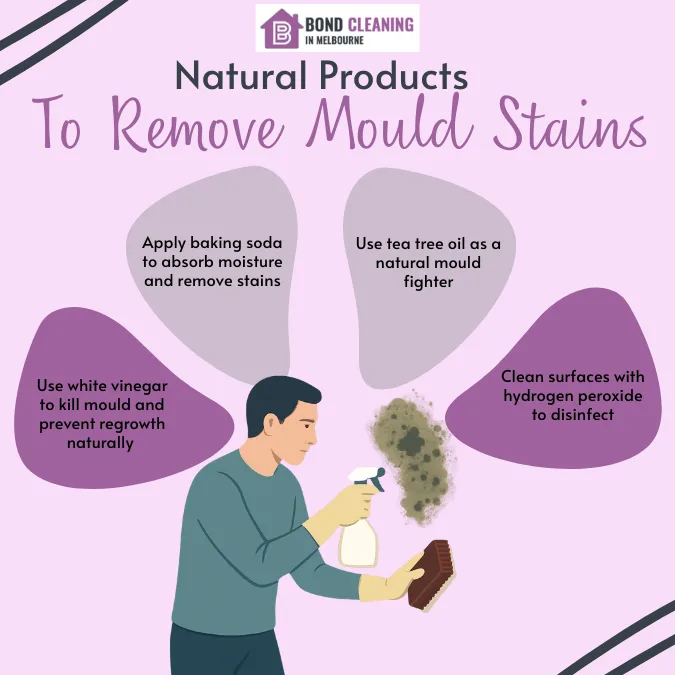
This is one of the best natural ways to eliminate stains and all types of mould spores from surfaces. It works well on walls, window frames, glass surfaces, curtains and sealed surfaces. You must dilute it with soapy, warm water and gently spray it on the affected area.
The acetic acid in vinegar can effectively kill fungi spores. Make sure you leave the product for 10 to 20 minutes. Next, gently scrub with a soft bristled brush and wipe down with a damp cloth. You can also rinse the area. Allow the area to dry.
Tip: Wear face masks and gloves when treating mould.
4. Baking Soda: A Natural Mould Remover
Ideal for natural stone surfaces, grout lines, sinks, carpets and shower screens, baking soda can do wonders in achieving desired results. You can prepare your cleaning solution by mixing 2 parts baking soda with 1 part water. Make a thick paste and apply it to the affected area. Leave it for an hour and scrub away with a brush or sponge.
However, if you are preparing for a rental inspection, outsource a guaranteed end of lease cleaning Melbourne. They are well versed with proven techniques to deliver spotless outcomes without scratching. Isn’t it amazing!
5. Bid Farewell to Mould using Tea Tree Oil.
This is undeniably one of the most effective natural cleaning products that can help remove stubborn mould stains easily. It is best used on carpets, fabrics, plasterboard, timber, and other porous surfaces.
Mix 10 drops of tree tea oil with 1 cup of warm water in a spray bottle. Apply it directly to the mould spores and let it sit for 30 minutes. The antibacterial and antifungal properties of the oil can kill mould in no time. For scrubbing, use a brush or sponge and rub in a circular motion. Ensure you rinse the surface and wipe down with a clean cloth to prevent regrowth.
6. Hydrogen Peroxide: Combat Mould like a Pro
Are your bathroom tiles and grout laden with mould and mildew? The best natural cleaner for delicate grout lines is hydrogen peroxide. It is one of the most effective products that can kill lingering germs and mould without any damage. You can spray 3% hydrogen peroxide on the affected area and leave it for 10 minutes. Gently scrub and rinse with plain water. This will help create a spotless bathroom and kitchen.
Tip: Open doors and windows for proper ventilation.
7. How to Prevent Mould Infestation?
It is essential to identify the moisture prone areas, such as bathroom surfaces, damp curtains, carpets and basements. Regularly clean those areas, fix leaking issues and ensure proper room ventilation. End of lease cleaning Melbourne professionals recommend keeping indoor humidity levels below 60 per cent. So, installing a dehumidifier can work for you. Apart from this, wipe down damp areas quickly, steam clean your carpets, and focus on routine cleaning to create a breathable, shiny, and hygienic home environment. You can also hire professionals if moving out of your older rental property in Melbourne. Their expertise can help you secure full bond.
Infographic For Natural Products To Remove Mould Stains
Wrapping Up
These are some of the most effective ways to naturally eliminate mould spores. These products don’t contain harsh chemicals and are super affordable. Make sure you act promptly and clean thoroughly to achieve the desired outcomes.